Tips for Managing Dumpster Weight Limits Effectively
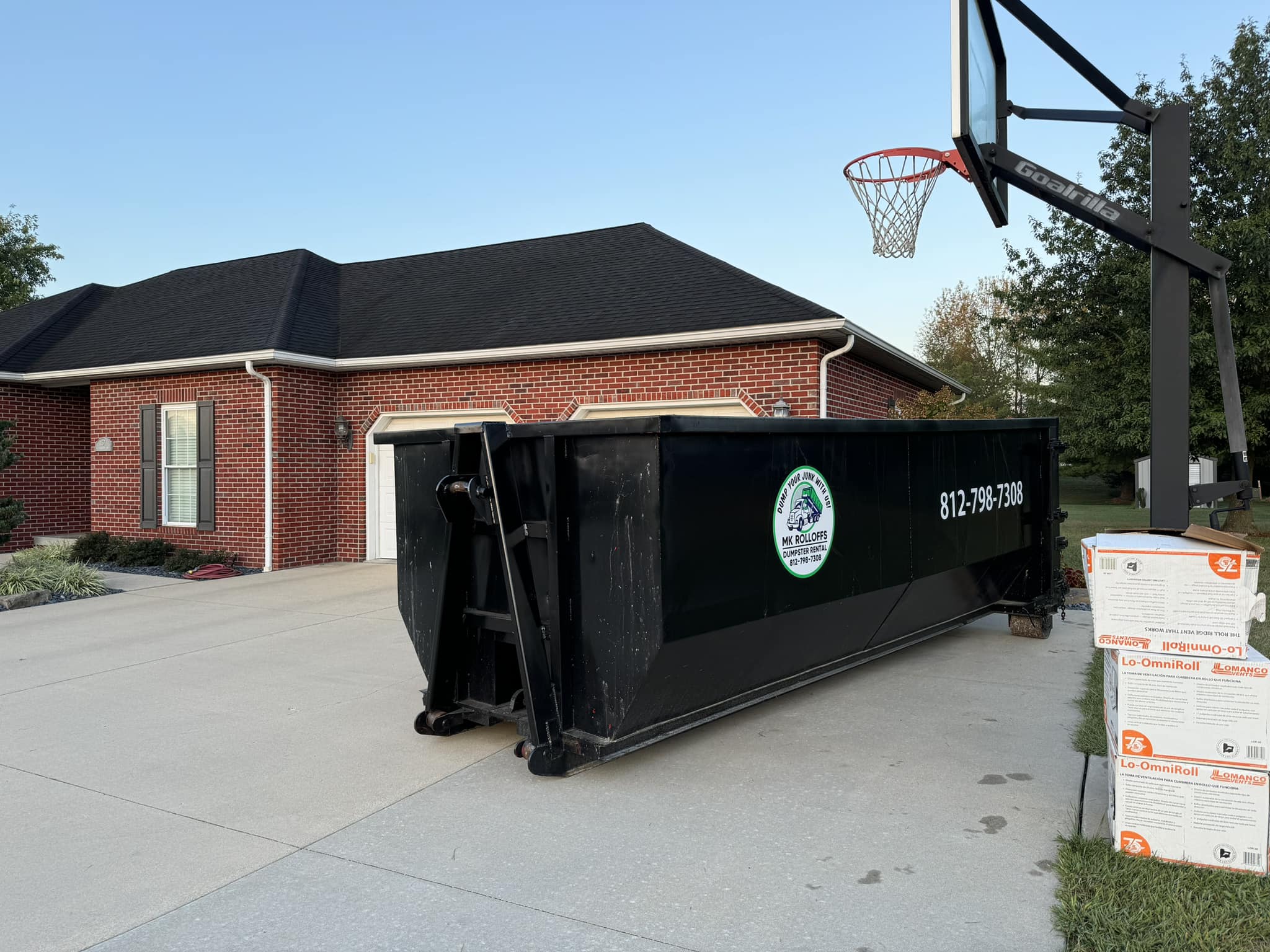
Proper preparation is key to a successful cleanup, and that includes managing waste efficiently. Whether you’re upgrading your living space, clearing clutter from a site, or dealing with heavy construction waste, a dumpster rental is the easiest way to keep everything organized. However, even the most well-planned projects can face unplanned issues if weight limits aren’t properly managed. Additional fees from exceeding weight limits are one of those preventable setbacks that can catch people off guard and quickly disrupt a budget.
At MK Rolloffs, we take the time to explain how to manage dumpster weight efficiently so they can make informed decisions before loading begins. Knowing what contributes to your dumpster’s total weight and how to stay within limits ensures your rental runs smoothly from start to finish. With a little planning and organization, anyone can stay within weight restrictions and complete cleanup with ease. By identifying weight factors early, you can manage waste more effectively and avoid extra fees.
Identifying the Main Causes of Overweight Dumpsters
Many renters face overweight fees because they misjudge the heaviness of their materials. Light household or renovation debris often fills the container without exceeding capacity. However, materials like cement, gravel, and tile can quickly cause the total load to surpass limits even if the dumpster appears only half full. Knowing how materials vary in weight allows you to plan better.
Separating heavy items from general waste before you start loading can make a big difference. By dividing materials by type, you can monitor load distribution and stay within safe limits. It’s also wise to prevent layering dense debris with light materials that trap air pockets. A little planning before you toss materials inside ensures your dumpster stays balanced and within its safe capacity.
Best Practices for Balanced Dumpster Loading
Balanced loading is key to a secure dumpster and here smooth transport. When debris is piled unevenly throughout the container, it creates strain on the container that makes it unsafe to move. Uneven loads make hauling risky and can damage equipment. Even distribution across the entire surface ensures that the weight is shared evenly, ensuring safety from pickup to disposal.
Disassembling large objects helps optimize space and prevent imbalance. Collapsing cardboard, taking apart fixtures, and compressing debris allows for a neater and more even load. By arranging items thoughtfully inside, you’ll not only use capacity effectively without overloading. Organized disposal habits help control weight and maintain workflow efficiency.
Why You Shouldn’t Combine Different Waste Types
Combining multiple waste categories in one container often leads to weight and safety issues. Heavy construction debris combined with household or yard waste often creates a load that exceeds allowable limits. Every material adds mass differently, so mixed loads are harder to manage. Keeping heavy and light debris separate ensures better control over dumpster weight.
Keeping certain waste streams separate also helps ensure compliance with disposal regulations. Different debris categories demand distinct disposal methods for safety. Sorting ahead of time prevents overweight complications and maintains responsible disposal practices. Strategic organization ensures smoother disposal and accurate weight management.
Selecting the Proper Dumpster for Your Project
Choosing the correct dumpster for your project helps prevent overloading and excess weight. A dumpster that’s undersized can cause you to pack debris too tightly, raising the chance of going over the limit. On the other hand, a dumpster that’s appropriately sized gives you enough room to dispose of waste safely without worrying about overloading. It’s always better to have a little extra space than to run out mid-project.
At our company, we work closely with renters to match them with the most suitable dumpster. Talking through your project beforehand allows us to provide a container that fits your waste disposal needs perfectly. It helps ensure your dumpster can safely contain materials without becoming overweight. Selecting the right container saves time, promotes safety, and keeps your project efficient.
Being Aware of Moisture and Hidden Weight Factors
Moisture is an often-overlooked factor that can dramatically increase dumpster weight. Materials like dirt, lumber, and cloth can retain moisture from weather, greatly increasing their mass. Even slightly damp debris can push a dumpster past its safe weight limit before you notice. Protecting waste from moisture before tossing it in the dumpster is an easy way to control total load weight.
In addition to moisture, certain materials may contain hidden weight that’s easy to underestimate. Furniture, roofing debris, and outdated appliances often include heavy internal parts. Taking a moment to inspect and break down these items before disposal can help prevent overweight issues. Being cautious with dense or moisture-heavy materials keeps your dumpster under control from start to finish.
Why Staying Under the Fill Line Matters
Overfilled dumpsters are not only unsafe but also likely to exceed their weight limit. Stacking debris higher than the container may appear practical but creates major transport risks. For safety compliance, a dumpster must be fully covered before transport, so anything piled too high might need to be unloaded. Keeping the debris level with the top edge prevents complications and helps maintain weight control.
Proper placement of materials is the secret to managing load levels. Place heavier items on the bottom to create a stable foundation, then fill lighter materials on top to balance the load. Layering strategically ensures full use of space while keeping within the fill boundary. A well-leveled container is safer, more efficient, and easier to haul away on schedule.
How to Estimate Dumpster Load Weight
You may not determine precise weights, but making estimates is still highly beneficial. Knowing the typical weight of building materials improves your waste planning. For large projects, you can divide waste by type and estimate the total weight to ensure it remains within limits. Basic weight estimates guide smarter decisions about loading limits and dumpster needs.
Keeping track of your progress during cleanup can prevent surprises when your dumpster is collected. Many renters find it helpful to load in stages, checking periodically to see how much space and weight remain. That process helps manage debris quantities more efficiently. With a little monitoring, it’s easier to avoid going over capacity and maintain a smooth rental experience.
Organizing Early to Prevent Dumpster Overload
A little preparation goes a long way in preventing overweight dumpster issues. Plan ahead by sorting your waste materials before the dumpster arrives. This step not only helps you estimate the amount of waste but also allows for better loading efficiency once the container arrives. With a clear plan in place, you can work more effectively and reduce the chance of exceeding weight limits.
Our advice to renters is to take a mindful, organized approach to disposal. Loading in phases and staying organized makes cleanup easier and safer. When you manage waste intentionally, you reduce clutter, stay within limits, and make the most of your rental period. These small habits ensure a positive experience every time you rent a dumpster.
Efficient Waste Handling for Better Results
The key to avoiding excess weight charges lies in preparation and proper loading. By learning how materials affect total load and applying safe loading methods, you improve efficiency. Monitoring what you load helps maintain control and reduce hassle. Each thoughtful action toward proper waste management ensures safety and better outcomes.
MK Rolloffs is committed to helping customers handle waste responsibly through reliable dumpster rentals and practical advice. We take pride in providing solutions that make cleanup easier, more efficient, and environmentally conscious. When you apply effective waste management strategies, you’ll experience smoother, more organized dumpster use. Our goal is to ensure every customer completes their project with confidence, knowing they’ve managed waste the smart way.